Restoring a heritage home begins with a careful reading of what already exists. Before purchasing materials or starting physical work, it is necessary to identify original components precisely — their composition, method of manufacture, and state of preservation. This preliminary work determines not only the choice of replacement materials but also their compatibility with the existing structure.
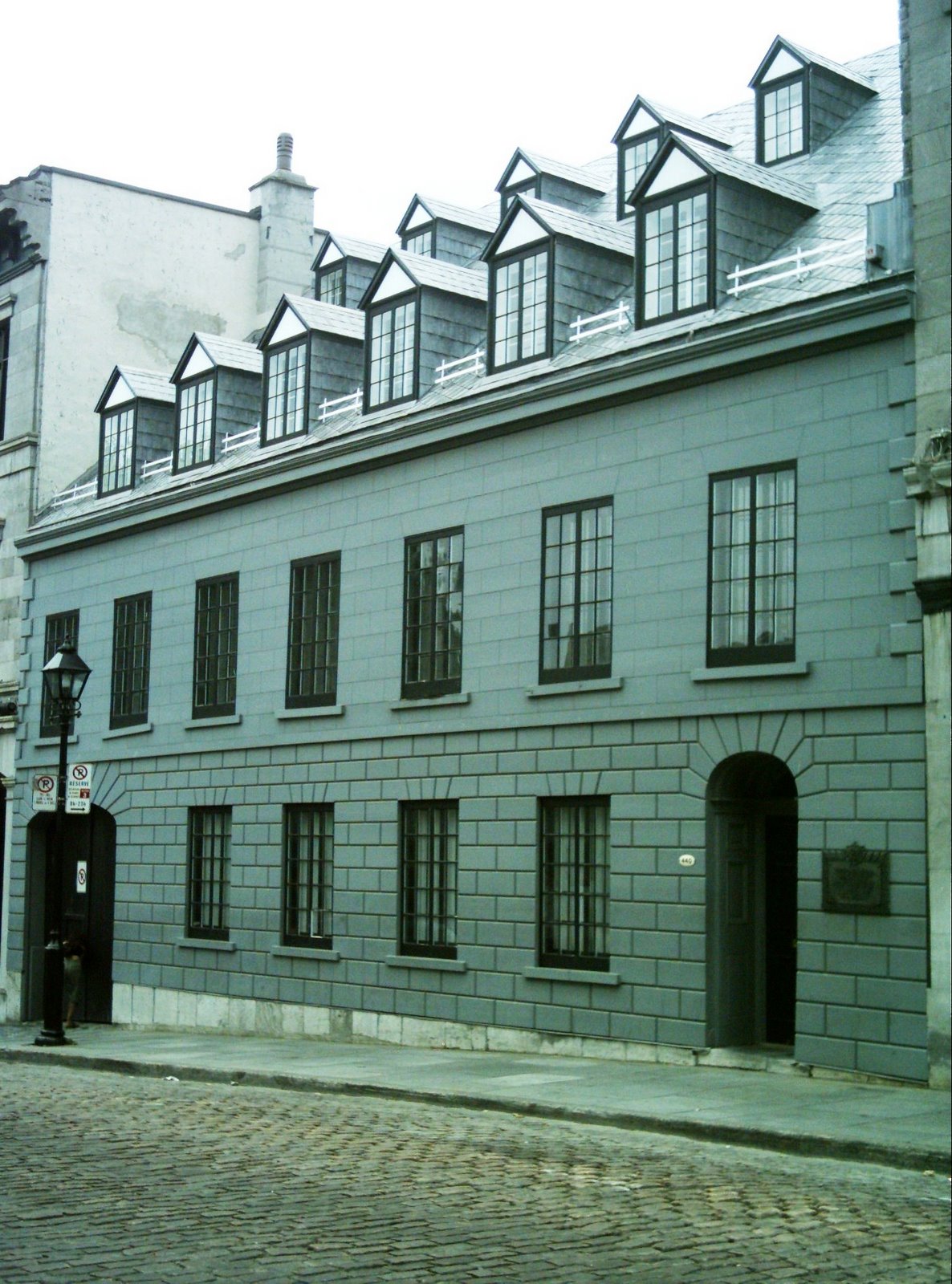
Understanding Materials by Construction Period
In Canada, heritage homes were built using techniques and materials that vary by region and era. Buildings predating 1900 generally feature brick or stone masonry bonded with lime mortar, while early 20th-century construction began to incorporate Portland cement mortar.
Limestone and Sandstone
In Quebec and Ontario, local limestone was widely used until the late 19th century. Ottawa Valley sandstone or grey St. Lawrence limestones are porous materials that absorb moisture differently from modern concrete. Using them with mortar that is too rigid causes cracks in the stone rather than in the joint — the opposite of what is desired.
Old Brick
Brick manufactured before the 1930s is generally more porous and less dense than contemporary brick. It is often marked by manufacturing impressions or colour variations reflecting period firing processes. Replacing old brick with modern low-absorption brick can trap moisture in walls and accelerate deterioration.
Lime Mortar
In heritage construction, air lime or hydraulic lime mortar acts as a sacrificial element: it absorbs structural movement and wears before the stone or brick. Replacing this mortar with rigid Portland cement — which is more resistant — transfers mechanical stress to the masonry units themselves, often causing irreversible damage.
Period Wood: Characteristics and Sourcing
Wood used in Canadian construction before the mid-20th century often came from old-growth forests — slow-growing trees with very tight grain. This wood is denser, less porous to moisture, and more dimensionally stable than plantation species commonly available today.
Identifying Original Wood
Counting growth rings on a cross-section helps estimate wood density. Closer rings indicate denser wood. White pine, spruce, and balsam fir were commonly used for framing; elm, oak, and walnut for interior decorative elements.
Sources for Reclaimed Wood
In Canada, several demolition material reclaimers offer wood from old barns, factories, or 19th-century industrial buildings. Reclaimed wood often offers grain and density comparable to original materials while avoiding harvesting of new mature forests.
- Reclaimers specializing in historic materials (present in most major Canadian cities)
- Demolition auctions of historic buildings
- Artisan sawmills working with reclaimed wood
- Heritage preservation associations (which may direct you to local suppliers)
Historic Paints and Coatings
Before acrylic paints, wood facades were painted with linseed oil paints that penetrate wood rather than forming an impermeable surface film. This vapour permeability is essential on old wood structures because it allows wood to breathe and release accumulated moisture.
Stratigraphic Analysis
Before choosing a new finish layer, stratigraphic analysis of existing layers is useful. By taking a paint sample and examining it in cross-section, it is possible to identify original colours and the composition of successive coatings. Some specialized laboratories offer this work in Canada.
Materials for Heritage Roofs
Roofs on Canadian heritage homes show regional and period diversity: wood shingles, natural slate, standing-seam metal (crimped or batten-seam sheet metal), copper, and clay tile in certain areas.
Standing-Seam Metal Roofing
Painted galvanized sheet metal roofing, characteristic of rural Quebec and parts of Ontario, was made from sheets joined by crimped or batten seams. Its durability is remarkable — some roofs exceed 80 years of use with regular maintenance. For restoration, it is preferable to engage sheet metal specialists who still master these traditional techniques.
Natural Slate
Architectural-grade slate can last more than a century if fastenings are sound. During restoration, it is often possible to recover slates in good condition, replace rusted fastenings (copper or stainless nails), and replace only broken slates with new or reclaimed pieces of matching colour and thickness.