Heritage Home Restoration
Information on period materials, preservation methods, and regulatory requirements for owners of historic buildings in Canada.

Recent Articles
Guides on Heritage Restoration
Three key topics covering the technical and regulatory requirements involved in restoring historic homes in Canada.
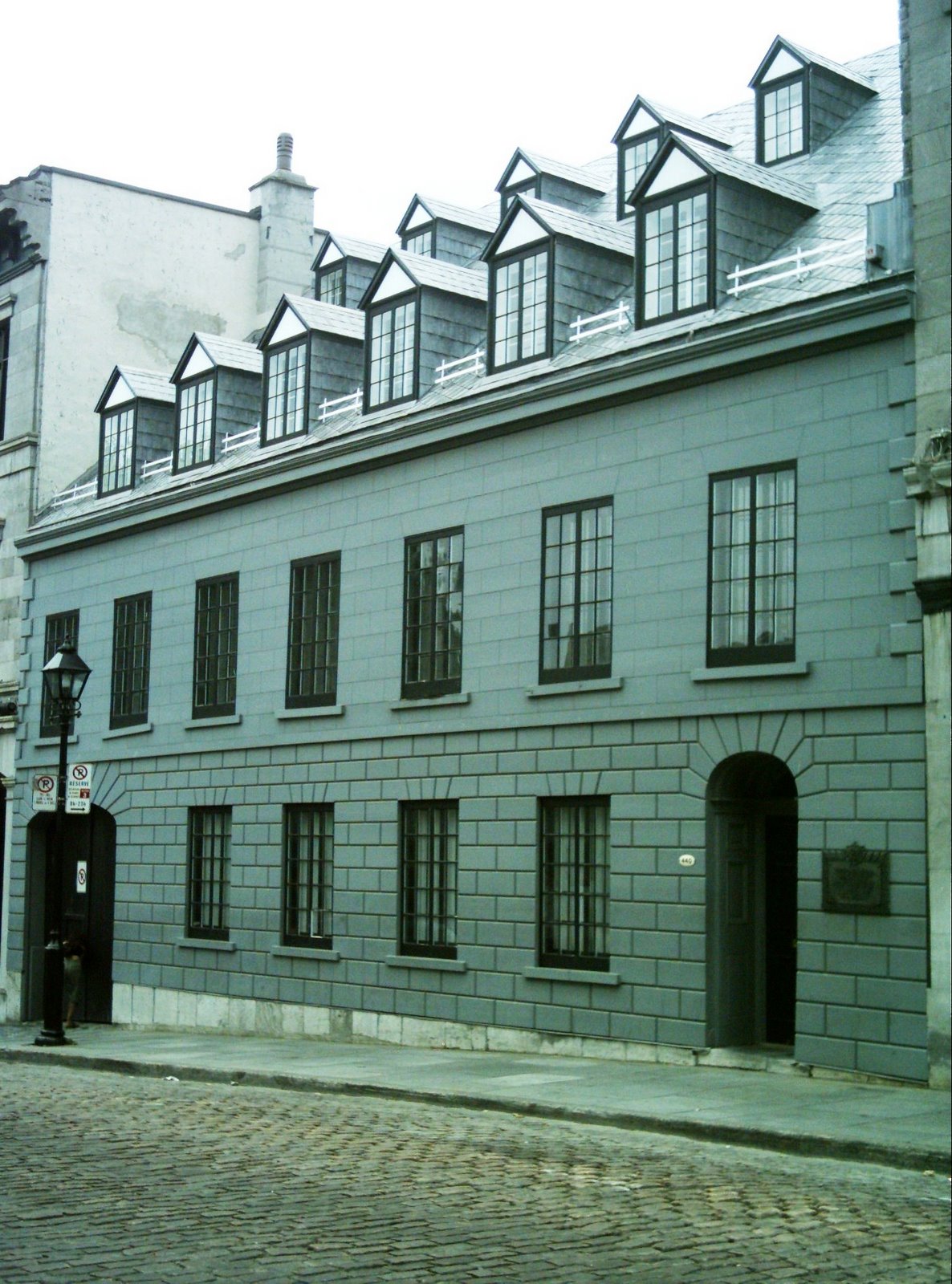
Period Materials: Identifying and Sourcing Original Components
Canadian heritage homes rely on materials that modern industry no longer produces in the same way — old brick, hydraulic lime, tight-grain sawn wood. Recognizing these materials is the first step toward compliant restoration.
Read article →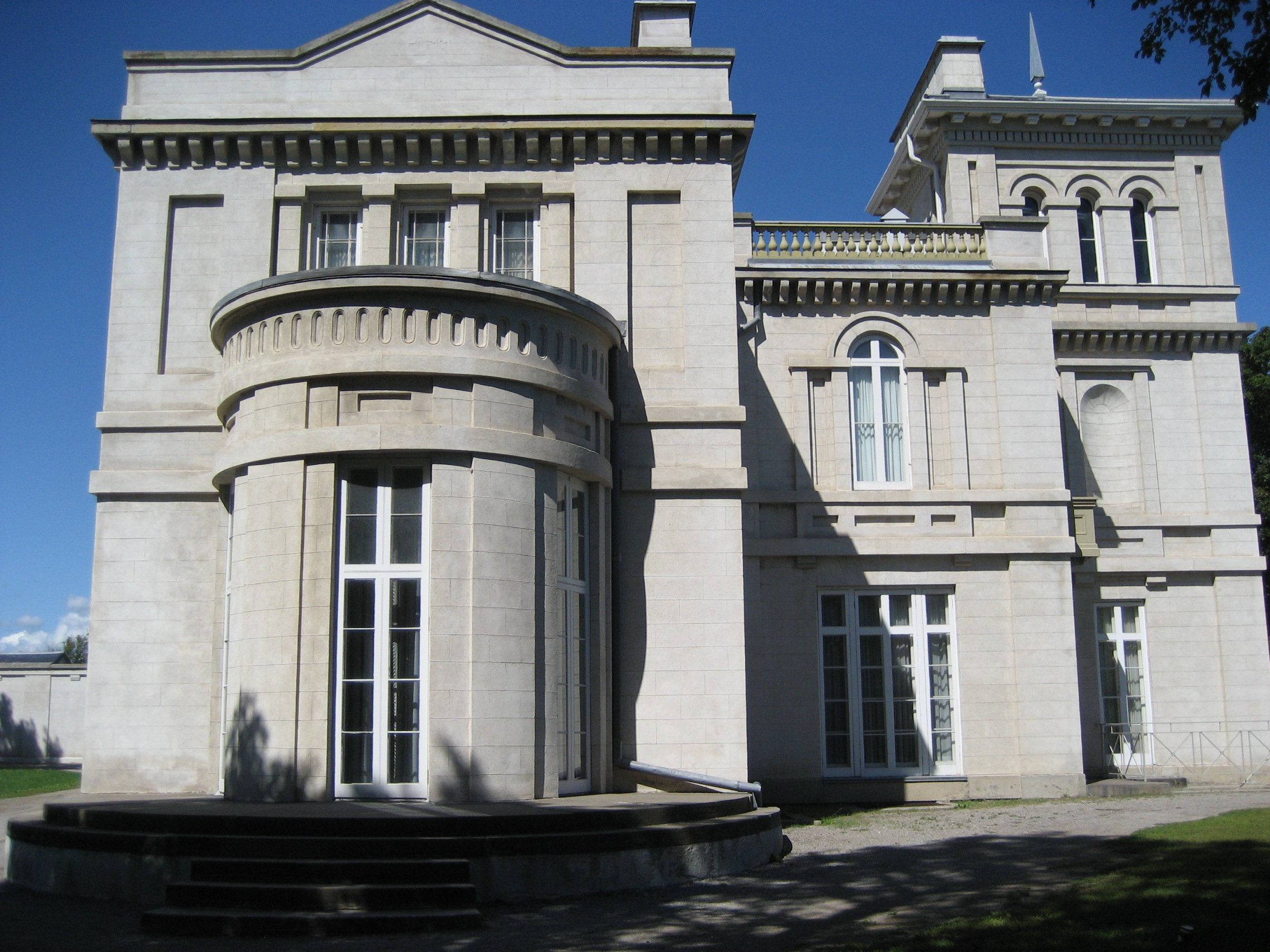
Historic Foundations: Assessment and Consolidation Techniques
Stone or brick foundations from 19th-century construction behave differently from modern concrete slabs. Understanding their performance is essential before undertaking consolidation or waterproofing work.
Read article →
Heritage Windows and Doors: Restore Rather Than Replace
Sash windows and solid-wood panel doors in heritage homes can often be restored to thermal performance comparable to modern units while retaining their original architectural character.
Read article →
Canadian Context
A Regulatory Framework Specific to Heritage
In Canada, protection of historic buildings falls under federal, provincial, and municipal jurisdiction. Parks Canada administers national historic sites, while bodies such as Quebec's Ministry of Culture and Communications or Ontario's heritage protection offices govern work on designated or listed buildings.
Guiding Principles
The Standards and Guidelines for the Conservation of Historic Places in Canada serve as the national reference. They define a hierarchy of intervention: preserve first, rehabilitate second, reconstruct only as a last resort.
- Preserve original materials wherever possible
- Reversibility of modern interventions
- Chemical and physical compatibility of replacement materials
- Documentation before any modification
Contact
Information Form
For questions about the content on this site, complete the form below.